Where are the air bags?
2C_DriverAirbag
2C_DriverAirbagDeployment
2C_PassengerAirbag
2C_PassengerAirbagDeployment
Your vehicle is equipped with a Supplemental Restraint System (SRS) and lap/shoulder belts at both the driver and passenger seating positions.
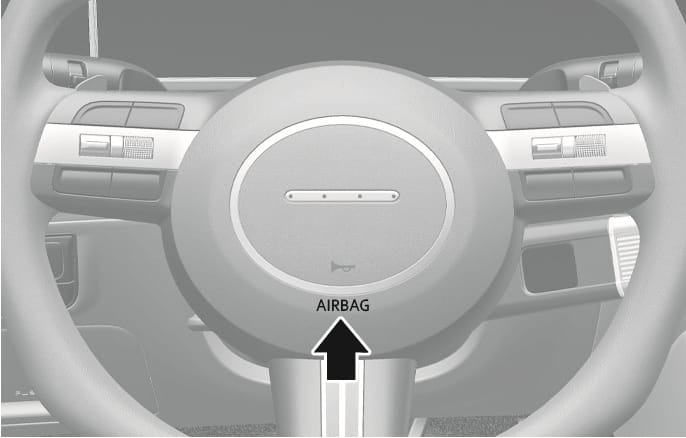
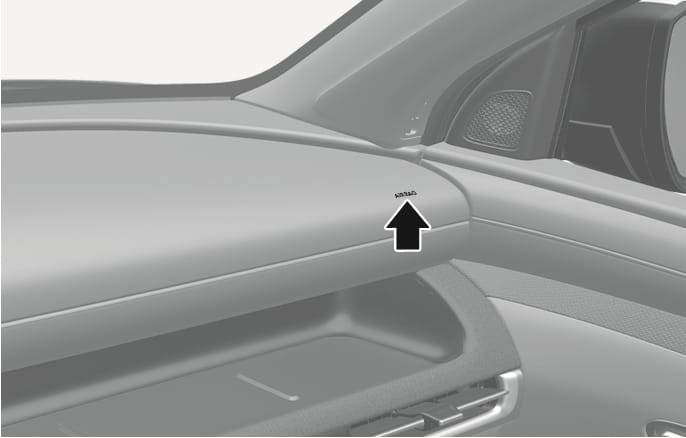
The SRS consists of air bags which are located in the center of the steering wheel and the passenger's side front panel pad above the glove box.
The air bags are labeled with the letters "AIR BAG" embossed on the pad covers.
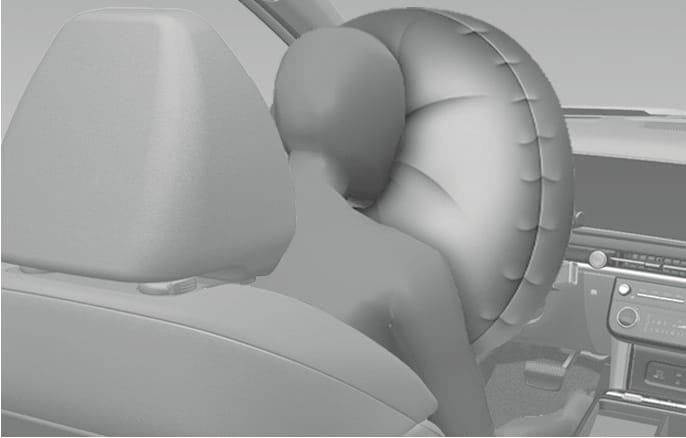
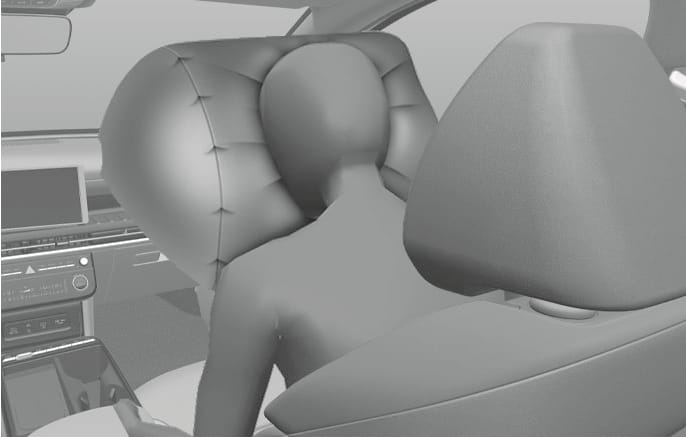
The purpose of the SRS is to provide the vehicle's driver and front passengers with additional protection than that offered by the seat belt system alone in case of a frontal impact of sufficient severity.
To reduce the risk of serious injury or death from inflating front air bags, take the following precautions:
-
Seat belts must be worn at all times to help keep occupants positioned properly.
-
Move your seat as far back as possible from front air bags, while still maintaining control of the vehicle.
-
Never lean against the door or center console.
-
Do not allow the front passenger to place their feet or legs on the dashboard.
-
No objects (such as crash pad cover, mobile phone holder, cup holder, air fresheners or stickers) should be placed over or near the air bag modules on the steering wheel, instrument panel, windshield glass, and the front passenger's panel above the glove box. Such objects could cause harm if the vehicle is in a crash severe enough to cause the air bags to deploy.
-
Do not attach any objects on the front windshield and inside mirror.
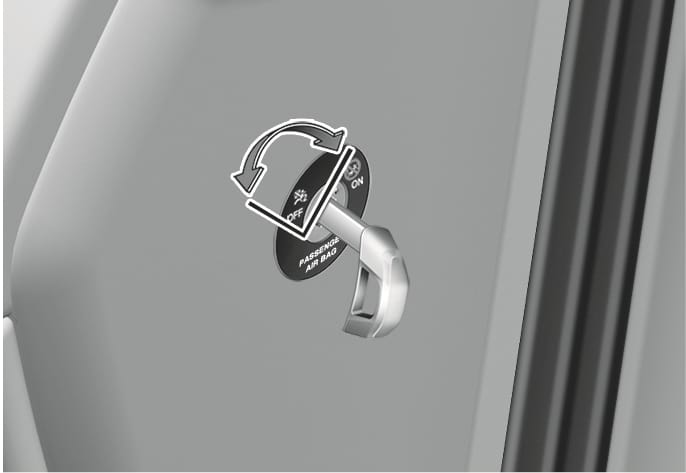
The purpose of the switch is to disable the passenger's front air bag in order to transport occupants who are at increased risk for air bag-related injury due to age, size, or medical condition.
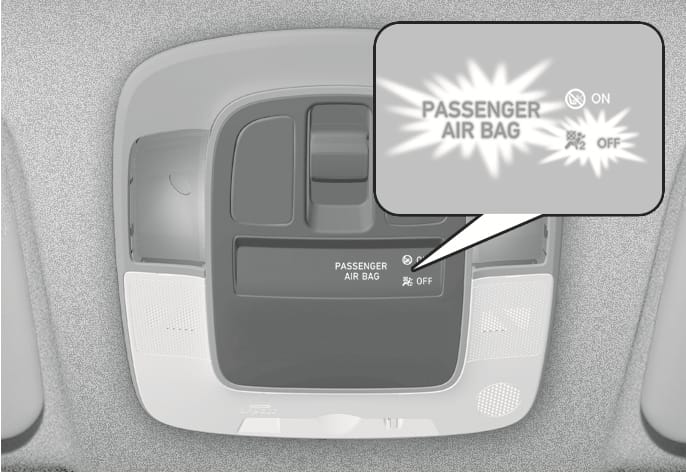
To deactivate the passenger's front air bag:
2C_PABOnOffSwtich
2C_ConsoleUPRPABOff
Insert the key or a similar rigid device into the passenger's front air bag ON/OFF switch and turn it to the OFF position. The passenger air bag OFF indicator (
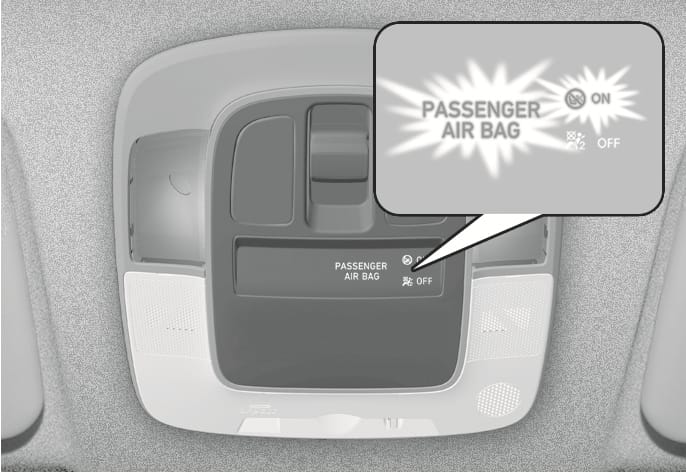
To reactivate the passenger’s front air bag:
2C_ConsoleUPRPABOn
Insert the key or a similar rigid device into the passenger's front air bag ON/OFF switch and turn it to the ON position. The passenger air bag ON indicator (
The passenger's front air bag ON/OFF indicator generally illuminates for about 4 seconds after the ignition switch is placed in the ON position. But, if the ignition switch or ENGINE START/STOP button is turned to the ON position within 3 minutes after ignition OFF, the indicator does not illuminate.
Never allow an adult passenger to ride in the front passenger seat when the passenger air bag OFF indicator is illuminated. During a collision, the air bag will not inflate if the indicator is illuminated. Turn on the passenger's front air bag or have your passenger move to the rear seat.
If the passenger's front air bag ON/OFF switch malfunctions, the following conditions may occur:
-
The air bag warning light (
= ) on the instrument cluster will illuminate. -
The passenger air bag OFF indicator (
œ ) will not illuminate and the ON indicator (Œ ) will come on. The passenger's front air bag will inflate in a frontal impact even though the passenger's front air bag ON/OFF switch is set to the OFF position. -
We recommend that an authorized HYUNDAI dealer inspect the passenger's front air bag ON/OFF switch and the SRS air bag system as soon as possible.
2C_SideAirbagLabel
2C_SideAirbagDeployment
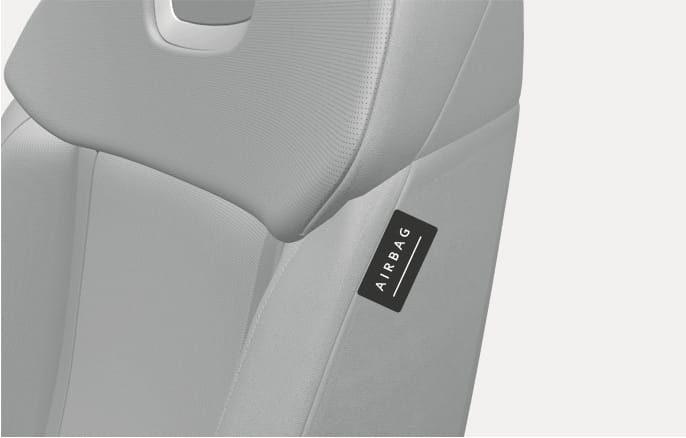
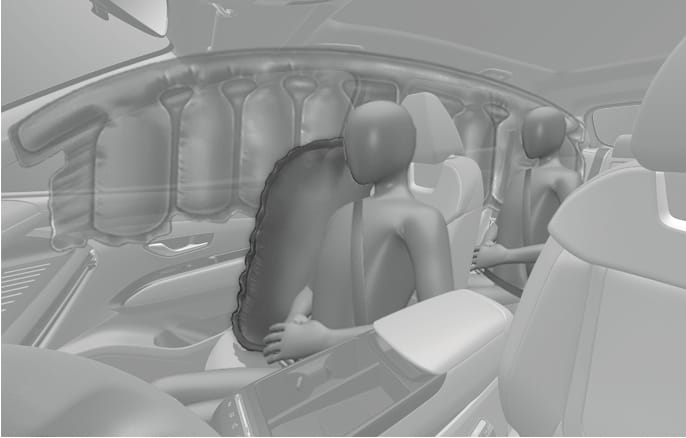
Your vehicle is equipped with a side air bag in each front row seat. The purpose of the air bag is to provide the vehicle's additional protection than that offered by the seat belt alone.
The side air bags are designed to deploy during certain side impact collisions, depending on the crash severity.
For vehicles equipped with a rollover sensor, the side and/or curtain air bags and pre-tensioners on both sides of the vehicle may deploy if a rollover or possible rollover is detected.
The side air bags are not designed to deploy in all side impact or rollover situations.
To reduce the risk of serious injury or death from an inflating side air bag, take the following precautions:
-
Seat belts must be worn at all times to help keep occupants positioned properly.
-
Do not allow passengers to lean their heads or bodies onto doors, put their arms on the doors, stretch their arms out of the window, or place objects between the doors and seats.
-
Hold the steering wheel at the 9 o'clock and 3 o'clock positions, to minimize the risk of injuries to your hands and arms.
-
Do not use any accessory seat covers. This could reduce or prevent the effectiveness of the system.
-
Do not hang other objects except clothes. In an accident it may cause vehicle damage or personal injury especially when air bag is inflated.
-
Do not place any objects over the air bag or between the air bag and yourself. Also, do not attach any objects around the area the air bag inflates such as the door, side door glass, front and rear pillar.
-
Do not place any objects between the door and the seat. They may become dangerous projectiles if the side air bag inflates.
-
Do not install any accessories on the side or near the side air bags.
-
Do not cause impact to the doors when the Engine Start/Stop button is in the ON or START position as this may cause the side air bags to inflate.
-
If the seat or seat cover is damaged, we recommend that the system be serviced by an authorized HYUNDAI dealer.
2C_CurtainAirbagLabel
2C_CurtainAirbagDeployment
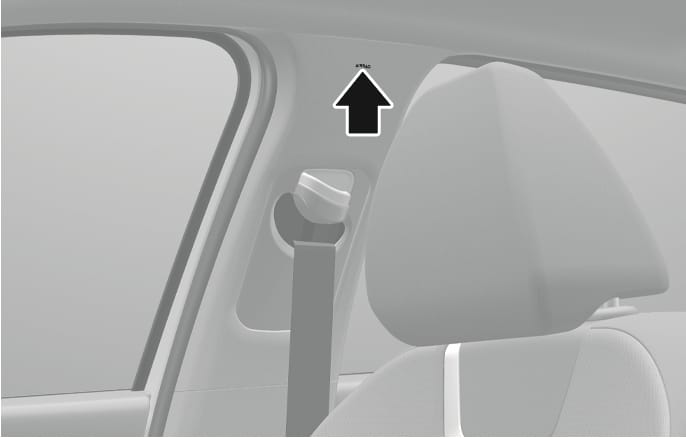
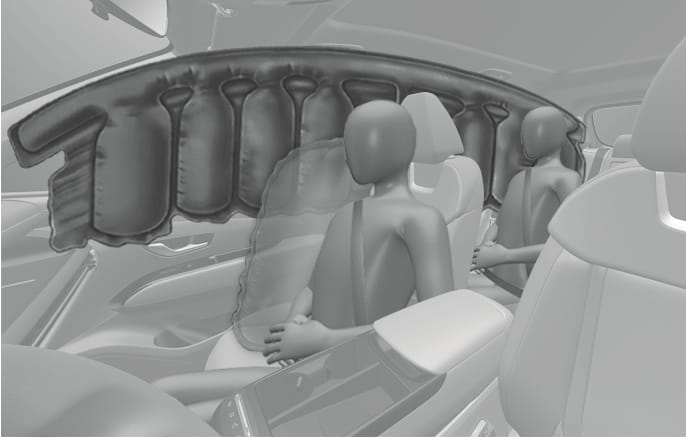
Curtain air bags are located along both sides of the roof rails above the front and rear doors.
They are designed to help protect the heads of the front seat occupants and the rear outboard seat occupants in certain side impact collisions.
The curtain air bags are designed to deploy during certain side impact collisions, depending on the crash severity.
For vehicles equipped with a rollover sensor the side and/or curtain air bags and pre-tensioners on both sides of the vehicle may deploy if a rollover or possible rollover is detected.
The curtain air bags are not designed to deploy in all side impact or rollover situations.
To reduce the risk of serious injury or death from an inflating curtain air bag, take the following precautions:
-
All seat occupants must wear seat belts at all times to help keep occupants positioned properly.
-
Properly secure Child Restraint System as far away from the door as possible.
-
Do not place any objects over the air bag. Also, do not attach any objects around the area the air bag inflates such as the door, side door glass, front and rear pillar, roof side rail.
-
Do not hang other objects except clothes, especially hard or breakable objects.
In an accident, it may cause vehicle damage or personal injury.
-
Do not allow passengers to lean their heads or bodies onto doors, put their arms on the doors, stretch their arms out of the window, or place objects between the doors and seats.
-
Do not attempt to open or repair the side curtain air bags yourself. If necessary, we recommend that the air bag be inspected by an authorized HYUNDAI dealer.